
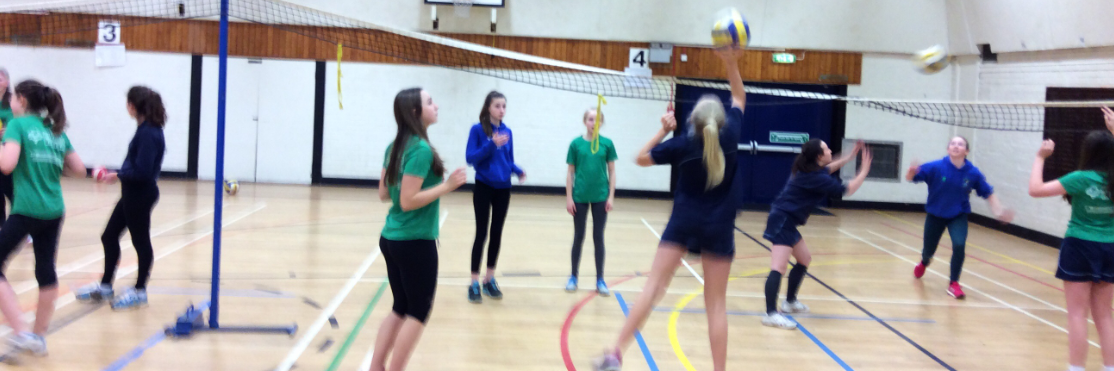
Priestlands School: Thriving Volleyball Culture
Priestlands School has become a standout example of how volleyball can transform a school community when it is embedded with purpose, passion, and long‑term vision. What began as a commitment to giving every student meaningful access to the sport has grown into a thriving volleyball culture, one that now spans curriculum delivery, after‑school pathways, competitive success, and strong local partnerships. With more than 100 students actively involved and a programme that champions inclusivity, progression, and pride, Priestlands is showing what’s possible when volleyball becomes part of the foundation of school life.
Embedding Volleyball in the Curriculum
At Priestlands School, volleyball is introduced from Year 7 and remains a core part of the PE curriculum right through to Year 11. Each year group has dedicated volleyball lessons, allowing students to develop their skills progressively as they move through the school.
Beyond the classroom, Priestlands runs a thriving after-school Volleyball Club open to all students, offering Bronze Volleyball for Key Stage 3 and Gold Volleyball for Key Stage 4. These structured programmes give students opportunities to refine their techniques, play competitively, and enjoy the sport in a supportive and inclusive environment.
PE staff believe volleyball’s combination of teamwork, communication, and strategy perfectly supports the school’s vision for physical education. “It’s a sport that everyone can access and progress in,” they explain, “and it helps foster confidence, coordination, and a lifelong love of being active.”

More than 100 students now take part in Priestlands’ ability-specific volleyball clubs. The Bronze, Silver, and Gold pathways have been key in sustaining interest and progression, enabling players to develop at their own pace while feeling both supported and challenged.

This structured approach has created a strong sense of belonging and pride among students. It has also driven a rise in participation, particularly among girls, highlighting volleyball’s inclusive appeal and the success of Priestlands’ approach to player development.

Priestlands is home to 10 outdoor volleyball courts, a feature that allows volleyball to flourish year-round. These facilities provide the flexibility to deliver large-scale lessons, host competitions, and ensure that the sport remains unaffected by indoor hall restrictions or exam season.
The outdoor courts are central to major events such as the Hampshire Outdoor Volleyball Competition and the New Forest Outdoor Volleyball District Championships. These festivals create an exciting, inclusive atmosphere that engages hundreds of students and strengthens community ties between local schools.

Why Volleyball matters at Priestlands:
The PE team describes volleyball as a sport that “brings out the very best in teamwork, communication, and resilience,”
“Volleyball gives every student a way in, whether they’re new to sport or already competitive, there’s space for them to grow, contribute, and enjoy being active.”
“Volleyball has become more than a lesson - it’s a community, a culture, and a source of pride for our students.”

Priestlands’ volleyball teams have achieved notable competitive success, including the Year 10 girls’ triumph in the Hampshire Cup. Their preparation focuses on both technical and tactical development, with sessions designed to enhance serving, passing, attacking, and teamwork.
Competitions are seen as vital learning opportunities that build confidence, resilience, and motivation. “Students come away from tournaments with renewed energy and pride,” says the PE team. “It gives them something tangible to work towards and strengthens our sporting culture.”


The school actively collaborates with other local schools to organise fixtures and has growing links (through alumni) with Southampton University and the New Forest Volleyball Club. Hosting events like the New Forest Championships has been instrumental in inspiring younger players, showcasing role models, and fostering community spirit.

Volleyball has made a lasting impact at Priestlands, on students, staff, and the wider school community. It has built a culture of teamwork, resilience, and inclusivity, while offering pathways for leadership and personal growth.
Looking ahead, the school hopes to:

“Volleyball has become a point of pride at Priestlands,” the team reflects. “It brings people together, builds confidence, and embodies everything we value about sport.”